Why Preventive Care Matters With a General Dentist in Santa Clarita CA
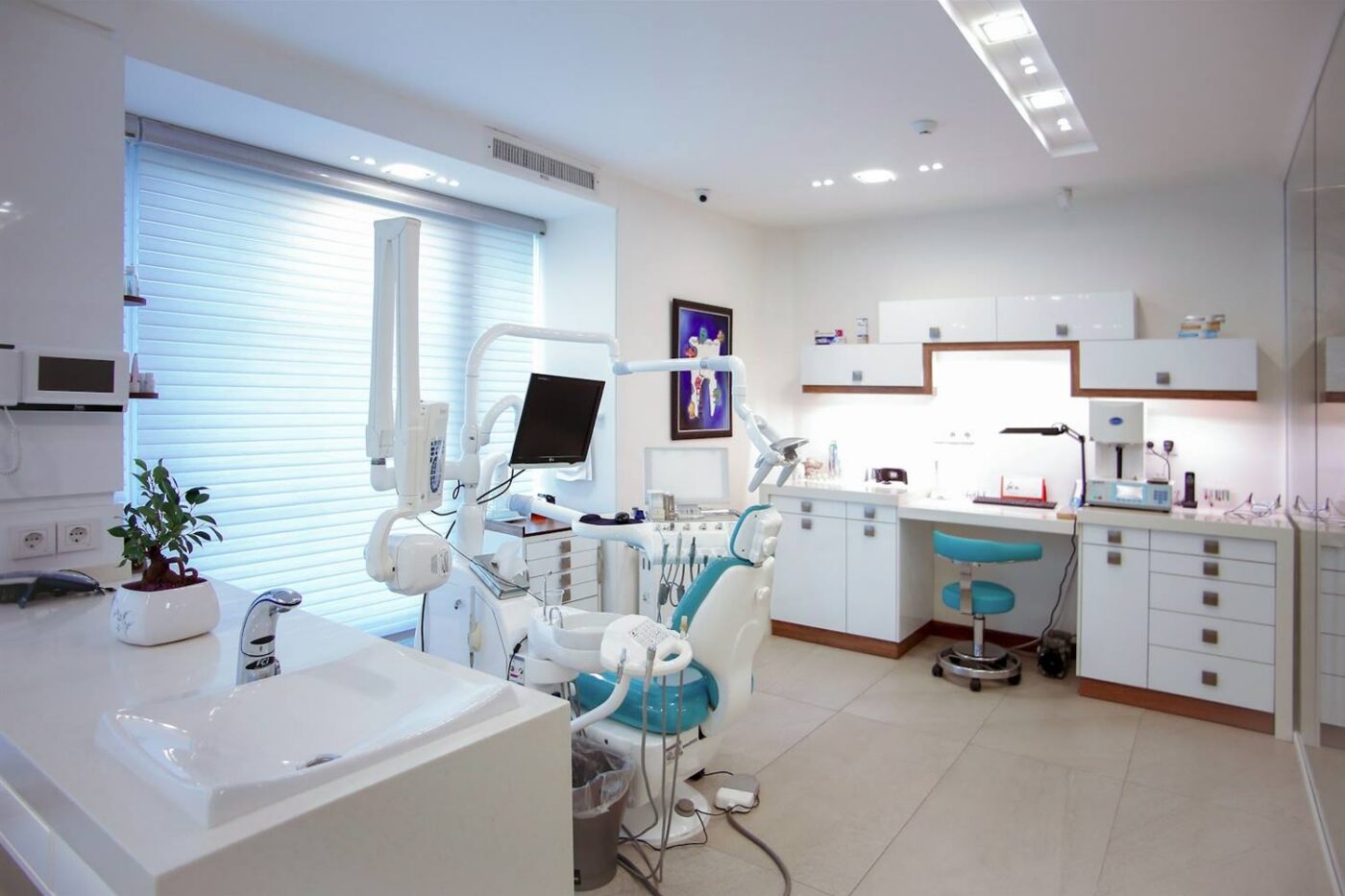
Most people do not wake up excited for a dental checkup. They make the appointment because they know they should, then life gets busy, schedules tighten, and six months quietly turns into two years. By the time they sit in the chair again, the visit is no longer routine. A small cavity has deepened. Gums bleed during flossing. A cracked filling that could have been replaced in one appointment now needs a crown. That pattern is common, and it is exactly why preventive care matters.
A good preventive routine is not about chasing a perfect smile for photographs. It is about keeping ordinary problems small, manageable, and affordable. When patients work with a general dentist in Santa Clarita CA on a consistent basis, they gain something more valuable than a polished cleaning. They gain oversight. Teeth and gums change slowly, often without pain at first. Regular exams create a record of those changes and give the dentist a chance to step in early, before the issue becomes more invasive and more expensive.
That sounds simple, but the practical impact is bigger than many people realize. Preventive dentistry affects comfort, appearance, workdays, finances, and long-term oral health. It also shapes how much treatment you are likely to need later in life.
Preventive care is really early problem detection
The biggest misconception about dental visits is that if nothing hurts, nothing is wrong. Teeth do not always announce trouble early. Enamel has no nerves. A cavity can move through the outer tooth structure without causing symptoms. Gum disease can begin with subtle inflammation that patients mistake for brushing too hard. Even cracked teeth can stay quiet until the damage spreads or the bite hits at the wrong angle.
During a preventive visit, the dentist is looking for issues that have not yet become obvious at home. That usually includes evaluating old fillings, checking for early decay between teeth, measuring gum pockets, reviewing bite wear, examining soft tissues, and watching for changes since previous visits. In many cases, the goal is not dramatic treatment. The goal is restraint. Catch it early enough, and the answer may be a small filling, a night guard, a fluoride recommendation, or closer monitoring at the next recall.
That kind of timing matters. The difference between a shallow cavity and a deep one can mean the difference between a straightforward filling and a root canal with a crown. The difference between mild gum inflammation and established periodontal disease can mean years of extra maintenance and a much higher risk of bone loss. These are not rare edge cases. They are everyday examples of what happens when a manageable problem gets too much time.
Why cleanings do more than make teeth feel smooth
Patients often leave a professional cleaning saying their teeth feel fresh, but the real value goes deeper. Plaque is soft and can often be removed with thorough brushing and flossing. Tartar, or calculus, is hardened buildup that cannot be brushed away at home. Once it collects around the gumline, it creates a rough surface that makes more bacterial buildup likely. That cycle feeds inflammation.
Professional cleanings interrupt that process. They reduce bacterial load, remove deposits in hard-to-reach areas, and give the hygienist and dentist a clear view of what is happening underneath. Bleeding gums are not just a cosmetic nuisance. They are often an early sign that the tissues are under stress. If this continues unchecked, the body can begin losing the bone that supports the teeth. At that point, treatment shifts from prevention to disease management.
People sometimes assume gum disease is something that happens only to older adults or smokers. In practice, it is far more common and less predictable. Stress, dry mouth, medication use, clenching, inconsistent home care, genetics, and systemic health conditions can all contribute. A person can look healthy, brush daily, and still develop gum problems if the pattern is not caught early.
The financial case is hard to ignore
There is a human tendency to postpone maintenance because it feels optional. Routine care rarely feels urgent, while a sore tooth certainly does. Yet preventive dentistry is one of the clearest examples of spending a little to avoid spending much more later.
A checkup and cleaning are generally among the most modest dental expenses. Compare that with the cost of treatment once disease advances. A filling is less expensive than a crown. A crown is less expensive than a root canal plus a crown. Extracting a tooth may seem like a quick fix, but replacing that tooth with a bridge or implant can become a far larger investment. Even when insurance helps, delays tend to increase out-of-pocket costs.
There is also the hidden cost of disruption. Emergency visits can mean time off work, rearranged childcare, poor sleep, and the distraction of persistent pain. A neglected molar does not only affect your dental chart. It can interfere with meals, concentration, and routine daily function. Patients often focus on the treatment fee and forget the practical burden that comes with avoidable emergencies.
For families, preventive care often brings even greater savings because patterns start early. When children and teenagers learn to attend regular appointments, the dentist can catch crowding, monitor eruption, seal vulnerable chewing surfaces, and coach better habits before damage builds. Parents who stay current with their own visits tend to reinforce that routine at home. Over time, that consistency usually leads to fewer crises.
Santa Clarita families face the same scheduling pressures as everyone else
In a community like Santa Clarita, many households juggle commuting, school schedules, youth sports, and packed calendars. Preventive care often gets pushed behind the immediate demands of work and family life. That is understandable, but it https://edgarecdj848.cavandoragh.org/general-dentist-santa-clarita-ca-services-that-keep-smiles-on-track creates a familiar pattern in general practice. Patients cancel a routine appointment because of a conflict, then months pass, then they return with symptoms that did not exist before.
Working with a general dentist in Santa Clarita CA can help because local care removes some friction. Shorter travel time, familiarity with the office, and easier follow-up all make it more likely that appointments stay on the calendar. That may sound minor, but adherence matters in prevention. Dental health is not maintained by intention alone. It is maintained by repeated follow-through.
Local continuity also helps when something changes between visits. If a patient chips a tooth, feels sudden sensitivity, or notices gum swelling, an established office already has prior records, radiographs, and knowledge of the patient’s history. That can speed diagnosis and keep the treatment plan conservative.
Prevention is personalized, not one-size-fits-all
The phrase preventive care sometimes sounds generic, as if every patient receives the same advice and schedule. Real dentistry does not work that way. A college student drinking sports drinks and wearing clear aligners has different risk factors than a retired patient with dry mouth from medications. A person who grinds at night needs a different preventive strategy than someone whose main issue is heavy tartar buildup behind the lower front teeth.
A thoughtful general dentist looks for patterns and adjusts recommendations accordingly. One patient may benefit most from prescription fluoride toothpaste. Another may need more frequent hygiene visits because calculus accumulates quickly. Someone with recession and root sensitivity might need gentler brushing techniques and desensitizing products. Another patient may need a conversation about acid erosion from citrus water, soda, or frequent snacking rather than decay from poor brushing.
This is where preventive care becomes more than a cleaning every six months. It becomes clinical judgment applied over time. Dentistry is full of small decisions that shape long-term outcomes. Watch this cracked tooth a little longer, or restore it now. Continue with routine cleanings, or shift to periodontal maintenance. Replace an aging filling proactively, or monitor it because the margins remain stable. Those decisions are best made when the dentist knows the patient’s mouth over multiple visits, not during a one-off emergency appointment.
What preventive visits often uncover
Routine exams frequently reveal issues patients did not realize were developing. Common examples include:
- Early cavities between teeth that are not visible in the mirror
- Worn enamel from grinding or clenching during sleep
- Gum inflammation caused by tartar buildup below the gumline
- Failing fillings or crowns that still feel normal to the patient
- Dry mouth related to medications, which raises decay risk
None of these findings are unusual. What matters is whether they are caught while the solution is still relatively simple.
The mouth is connected to the rest of the body
Dentists have long seen the practical overlap between oral health and overall health. Inflamed gums bleed more easily, trap bacteria more readily, and can complicate care for patients already managing medical conditions. People with diabetes, for example, often have a two-way relationship with gum health. Poor glycemic control can worsen periodontal inflammation, and untreated periodontal disease can make diabetic management harder. Pregnant patients may experience gum changes linked to hormonal shifts. Patients on certain heart, blood pressure, or psychiatric medications often develop dry mouth that raises their cavity risk.
This does not mean every dental issue predicts a systemic disease, and it is important not to overstate connections. But it does mean the dental office often sees early clues that deserve attention. A patient who suddenly develops widespread dry mouth, severe wear, mouth sores, or persistent inflammation may need more than a better toothbrush. Preventive care creates repeated opportunities to spot those changes and guide the patient appropriately.
Oral cancer screening belongs in this conversation as well. Many people think of dental visits in terms of teeth only, but a comprehensive exam includes the tongue, cheeks, lips, palate, and surrounding tissues. Early abnormalities can be subtle. Catching something suspicious early can make an enormous difference.
Children benefit from prevention, but adults may need it even more
Parents are usually diligent about taking children to the dentist. Adults are often less disciplined with themselves. That is backwards in one important sense. Children tend to have healthier mouths to start with. Adults carry decades of dental history: old fillings, crowns, recession, bite wear, prior orthodontics, stress-related grinding, and the cumulative effects of diet and habits.
By the time people reach their thirties, forties, and fifties, many are no longer trying to keep untouched teeth perfect. They are maintaining a complex mix of natural tooth structure and previous dental work. Every restoration has a lifespan. Fillings can leak. Crowns can loosen or decay underneath. Gumlines can recede. The bite can shift gradually if teeth are lost or heavily worn.
Preventive care in adulthood is often about protecting past investments. If you have already paid for crowns, implants, whitening, orthodontic treatment, or periodontal therapy, routine maintenance is what helps that work last. Skipping follow-up care after major treatment is like replacing a roof and then ignoring the gutters. The most expensive work in dentistry usually depends on ordinary maintenance to stay successful.
Fear and embarrassment keep many people away
Some patients avoid preventive visits because they anticipate criticism. They worry the dentist will comment on how long it has been, how much treatment they now need, or how poor their habits must be. Others have real anxiety based on past painful experiences. Both reactions are common, and both become more costly the longer they delay care.
In my experience, the turning point for many anxious patients is discovering that modern preventive visits are usually calm, measured, and much less invasive than the procedures they feared. A compassionate office focuses on the current condition and the next sensible step, not on shaming the patient for past neglect. That matters because fear often creates the very scenario people dread. Avoid checkups long enough, and treatment does become more extensive.
Patients who are nervous do better when they are candid early. Saying, “I have dental anxiety,” or “It has been years and I am embarrassed,” gives the team useful context. Good clinicians respond by slowing down, explaining findings clearly, and building trust over smaller visits first. Preventive care is often the safest way back into regular dentistry because it allows problems to be addressed before they become emergencies.
Home care matters, but it does not replace professional care
There is a certain kind of patient who brushes carefully, uses an electric toothbrush, flosses daily, and still wonders why regular dental visits are necessary. The answer is that diligent home care is essential, but it has limits. You cannot assess bone levels in the mirror. You cannot reliably inspect the margins of a crown or see a cavity forming between back teeth. You cannot remove hardened calculus once it adheres to the tooth.
That said, prevention works best when home care and office care reinforce each other. The most successful patients usually do a few things consistently. They brush twice daily with proper technique, clean between teeth in some effective way, keep sugary or acidic drinks from becoming all-day habits, and show up for the intervals recommended for their risk level. It is not perfection that protects teeth. It is repetition.
A realistic preventive routine often looks like this:
- Keep regular exams and hygiene visits instead of waiting for pain
- Brush thoroughly twice a day with fluoride toothpaste
- Clean between teeth daily with floss or another effective tool
- Ask about dry mouth, grinding, or sensitivity rather than ignoring them
- Follow through on small recommended treatments before they grow
Those habits are not flashy, but they are what preserve oral health over time.
Why a general dentist plays such an important role
Specialists are vital when complex treatment is needed, but the general dentist is usually the professional who sees the broader picture over many years. They are the ones tracking subtle shifts in gum health, bite function, restorative wear, and emerging decay risk. They coordinate care when a specialist is necessary, but they also prevent many issues from reaching that point.
That continuity is especially valuable for patients whose needs evolve. A young adult may start with cavity prevention and wisdom tooth monitoring. Later, stress and nighttime grinding become the central issue. In middle age, old restorations begin to fail. Later still, gum recession or missing teeth may change the treatment priorities again. A general dentist in Santa Clarita CA who knows the patient’s history can tailor prevention at each stage rather than reacting to isolated episodes.
The relationship matters almost as much as the procedures. Patients who trust their dentist are more likely to ask questions early, report symptoms promptly, and follow through on care. Prevention depends on that communication. A brief mention of jaw soreness, bleeding while flossing, or a rough edge on a molar can reveal a problem while it is still minor.
Delayed care usually narrows your options
One of the least discussed reasons preventive care matters is that it preserves choice. Early treatment often gives patients several reasonable options. Delayed treatment can remove them. A cracked tooth that is caught quickly may be protectable with a crown. Wait too long, and the crack may reach the root, leaving extraction as the only realistic path. Mild gum disease may respond to non-surgical care and improved maintenance. Advanced bone loss may require long-term periodontal treatment and still carry a guarded outlook.
People often think postponing care keeps their options open because they are “waiting to decide.” Clinically, the opposite is often true. Time can decide for you, and not in your favor.
That is why preventive care is best viewed as risk management. You are not going to the dentist only because something is wrong. You are going because you want to keep future problems from becoming larger, pricier, and harder to solve. You are preserving healthy tooth structure, protecting past dental work, reducing the odds of emergencies, and giving yourself better choices if treatment does become necessary.
For patients looking for a general dentist in Santa Clarita CA, that perspective is worth keeping in mind. The best preventive care is not dramatic. It is steady, observant, and practical. It catches what you cannot see, addresses problems before they intensify, and helps you keep your teeth functioning comfortably for as long as possible. That is not a small benefit. It is the foundation of good dental care.
Smyle Dental Newhall
Address: 23754 Newhall Ave, Santa Clarita, CA 91321
Phone number: +16612559200
FAQ About General dentist Santa Clarita CA
What does it mean by general dentist?
A general dentist is your primary dental care provider. They focus on the overall prevention, diagnosis, and treatment of your daily oral health needs. Think of them as your primary care doctor, but for your teeth and gums.
What is the difference between a dentist and a general dentist?
A dentist is a broad professional title for any licensed oral healthcare provider, while a general dentist is a specific type of primary care dentist who focuses on routine, preventive, and everyday treatments.
What is the difference between a dentistry practitioner and a dentist?
A dentist is a licensed doctoral-level healthcare professional, whereas a dental practitioner is a broader umbrella term that can include dentists as well as other trained oral health professionals.