What to Expect From Same-Day Emergency Dentist Bakersfield CA Visits
A dental emergency has a way of making the rest of the day disappear. A cracked molar during lunch, a crown that comes loose before a weekend trip, swelling that wakes you up at 2 a.m., or a child who takes an elbow to the mouth at practice can turn a normal schedule into a scramble. When people search for an Emergency Dentist Bakersfield CA, they are usually not shopping in the relaxed, comparison-heavy way they might for a routine cleaning. They want relief, clear direction, and a fast answer to one question: can someone see me today?
Same-day emergency visits are built around that urgency, but they are not all the same. Some appointments are brief evaluations meant to control pain and stabilize a problem until a follow-up visit. Others lead to treatment on the spot, such as placing a temporary filling, adjusting a broken denture, draining an infection, or even removing a tooth if the situation calls for it. Knowing what usually happens during these visits helps lower anxiety and makes it easier to act quickly.
The first phone call matters more than people think
Most same-day emergency care starts with a short but important conversation. The front desk or clinical team is usually trying to answer three practical questions at once. First, how urgent is this? Second, is this problem best handled in a dental office, or does it belong in an emergency room? Third, what can the patient do in the next hour to keep the situation from getting worse?
That triage process can feel repetitive when you are in pain, but it is there for a reason. If you call with facial swelling, fever, difficulty swallowing, bleeding that will not stop, or trauma involving loss of consciousness, the office may tell you to go directly to the ER. A dental office can treat many infections and injuries, but airway concerns and significant facial trauma move into a different category fast.
For less severe emergencies, the team will usually ask when the pain started, whether it is constant or triggered by pressure or temperature, whether there is swelling, and if you have taken any pain medicine already. If a tooth is broken or knocked out, they may ask you to send a photo. That simple step often helps the dentist prepare before you arrive and estimate whether same-day treatment is likely.
In my experience, patients are often surprised that the office also asks about medical history right away. That is not a formality. Diabetes, blood thinners, pregnancy, recent surgeries, immune suppression, and certain heart conditions can all change how an emergency visit is managed, especially if extraction, drainage, or prescription medication is on the table.
What actually counts as a dental emergency
Not every urgent dental problem is dramatic. Some of the most miserable cases look minor at first. A tiny fracture line in a back tooth can produce intense pain when chewing. A lost filling can expose dentin and make cold air feel unbearable. A gum abscess may start as a tender bump and turn into a larger swelling by evening.
Same-day emergency dental visits commonly involve toothaches, cracked or broken teeth, lost crowns or fillings, knocked-out teeth, infected gums, swelling, chipped front teeth, denture breaks, and painful wisdom tooth flare-ups. Occasionally, the main goal is not definitive treatment but damage control. That can still be extremely valuable. Calming inflamed tissue, reducing pressure, smoothing a sharp edge, or protecting exposed tooth structure often buys time and prevents a worse problem.
There is also a difference between urgent discomfort and true emergency. A dull ache that has come and gone for months may feel very serious to the patient, and it deserves attention, but it may not require immediate invasive treatment. On the other hand, pressure, throbbing, visible swelling, or pain that keeps you from sleeping often signals active inflammation or infection that should be seen quickly.
When you arrive, expect a focused visit, not a routine checkup
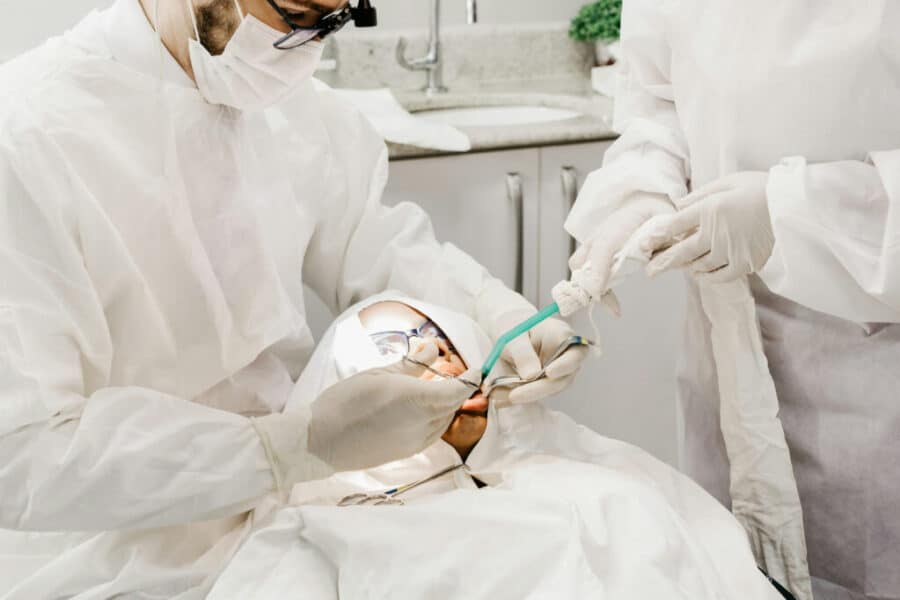
Emergency appointments are usually narrower in scope than regular visits. The dentist is trying to identify the source of pain, determine whether the issue is spreading or unstable, and decide what can be done safely that day. That means the exam often centers on the painful area rather than every tooth in the mouth.
Most offices will start with updated forms, a review of symptoms, and a quick check of vital signs if swelling, infection, or severe pain is involved. If trauma caused the problem, the dentist may also inspect the lips, cheeks, tongue, bite alignment, and jaw movement. Soft-tissue injuries matter because a chipped tooth sometimes comes with a cut, embedded fragment, or bruised bone that the patient has not noticed yet.
X-rays are often part of the visit, though not always the full set you would get during a comprehensive exam. A single focused image or a few images are often enough to look for decay reaching the nerve, root fractures, bone loss, infection around the root tip, or damage below the gumline. In some cases, especially with trauma or wisdom tooth complications, the office may recommend additional imaging or referral if the picture is more complex than a same-day visit can fully solve.
Patients sometimes worry that if they are in severe pain, the dentist will jump straight to pulling the tooth. That is usually not how these visits work. A good emergency exam weighs several possibilities. Sometimes a tooth that feels hopeless can be stabilized. Sometimes the opposite is true, and a tooth that looked manageable on the surface has a vertical crack that changes the plan completely.
Pain relief is often immediate, but the final fix may take more than one visit
One of the biggest misconceptions about emergency dental care is that every problem gets permanently solved that day. Sometimes it does. Often it does not, and that is not a sign of poor care. It is simply how dentistry works when pain, infection, scheduling, and tissue condition collide.
If the pulp inside a tooth is inflamed or infected, the dentist may be able to open the tooth, reduce pressure, place medication, and schedule a root canal or specialist follow-up. If a crown comes off but the underlying tooth is sound, it may be recemented on the spot. If a filling falls out, a temporary or permanent restoration may be placed the same day if the area is dry, visible, and stable enough to restore properly.
On the other hand, swelling can limit what is practical. A badly infected tooth may need antibiotics and drainage first, with extraction or root canal treatment performed after inflammation subsides. A front tooth broken near the nerve may need temporary bonding today and more refined cosmetic work later. A jaw that has taken a hard hit may require coordination outside the general dental office.
This is where judgment matters. Good emergency care is not just about doing something quickly. It is about doing the right amount at the right time. A rushed permanent repair on a contaminated or unstable tooth can fail. A temporary measure that reduces pain and protects the tooth can be the smarter choice.
Common same-day treatments you might receive
The treatment depends on the diagnosis, but several interventions show up repeatedly in emergency dentistry. Dentists may smooth a sharp broken edge so it stops cutting the tongue or cheek. They may place a sedative or temporary filling over an exposed area. They may adjust a bite if a recent filling or crown is hitting too high and causing pain. Recementing a crown is common when the crown itself is intact and the tooth underneath remains usable.
When infection is present, the dentist may prescribe medication, drain localized swelling when appropriate, or begin treatment that removes pressure from inside the tooth. In some cases, extraction is the most predictable way to stop pain and prevent spread. That decision usually depends on the restorable condition of the tooth, the severity of infection, the patient’s medical situation, and whether specialist care is available promptly.
Trauma adds another layer. A chipped front tooth might be bonded the same day if enough tooth remains. A tooth that has been knocked out has the best chance when handled quickly and kept moist, ideally in milk or saliva rather than wrapped dry in tissue. Time matters enormously here. Minutes count more than hours.
Denture and appliance problems also bring people in urgently. A broken partial denture can leave metal clasps scraping the mouth. A cracked night guard may not sound like an emergency until someone cannot wear it and begins clenching into severe jaw pain. Same-day care in these cases often focuses on making the appliance safe and functional enough to get through the next few days.
What to bring, and what to do before you leave home
Showing up prepared helps the visit move faster, especially if you have never been to the office before. It also reduces the chance of treatment delays caused by missing information.
- Bring a photo ID, insurance card if you have one, and a list of current medications.
- If a tooth or fragment came out, place it in milk or saliva and bring it with you.
- Note when the pain started, what makes it worse, and any swelling or fever you have noticed.
- Avoid placing aspirin directly on the gum, which can burn tissue.
- If you have taken pain medicine, be ready to say what you took and when.
That last detail matters more than people realize. If you took ibuprofen an hour before the visit, the dentist needs to know before recommending more. If you are allergic to penicillin or have had stomach ulcers, that changes medication choices. Small details can shape a safer plan.
The question everybody asks: how much will it cost?
Emergency dental costs vary widely because the range of possible treatment is so wide. An exam and limited X-rays cost far less than a surgical extraction, and a temporary repair is different from definitive root canal treatment and crown work. That uncertainty makes people nervous, especially when they are calling from pain instead of planning ahead.
Most offices can at least explain the structure of the visit before you come in. Typically, there is a fee for the emergency evaluation and any needed imaging, then separate charges if treatment is done the same day. If you have insurance, the exact out-of-pocket amount may still be hard to pin down over the phone, but the office can often give a realistic range. When insurance is not available, some practices offer payment plans or third-party financing for larger procedures.
A practical point that helps patients: ask two separate questions. First, what is the likely cost just to diagnose the problem today? Second, if treatment is needed immediately, what are the most likely options and their rough price ranges? That phrasing usually gets clearer answers than asking, “How much will this cost?” because the answer depends entirely on whether the fix is a recemented crown or an extraction with follow-up restoration.
Insurance, paperwork, and timing realities
Same-day care sounds simple until it runs into real office logistics. Insurance verification can slow things down, especially late in the afternoon or on weekends. New patient forms take time. X-rays and consent forms take time. Local anesthetic takes time to work. If you are squeezed into a full schedule, your appointment may move fast in some parts and then pause while the dentist finishes another patient before starting treatment.
That is normal in emergency dentistry. It does not mean your case is being ignored. Most offices keep room in the day for emergencies, but they are still balancing patients who booked treatment weeks earlier, hygiene checks, and procedures already underway.
If the office tells you they can see you the same day, ask whether that means an exam only or possible treatment too. The answer may depend on what they find, but it is worth clarifying expectations. Some visits are booked as diagnostic slots with treatment added if time and diagnosis allow. Others are blocked specifically to handle active treatment.
When the ER is the better choice
Dentists manage many urgent problems, but some situations need hospital-level care. Spreading facial swelling, trouble breathing, trouble swallowing, uncontrolled bleeding, high fever, suspected jaw fracture, and head injury belong in the emergency room. So do injuries where teeth are only part of the problem, such as major facial lacerations or trauma after a car accident.
People sometimes avoid the ER because they assume it cannot help with dental pain. It is true that hospitals usually do not perform definitive dental work. They generally focus on pain control, infection management, imaging, and medical stabilization. But if your airway or overall safety is in question, that is exactly where you should go first.
A useful rule of thumb is this: if the problem feels like it is moving beyond the tooth and into your ability to breathe, swallow, control bleeding, or stay medically stable, stop worrying about where the root cause started and get emergency medical help.
What recovery usually looks like after a same-day visit
Most patients leave an emergency dental appointment with at least one of three things: reduced pain, a temporary plan, or a definitive next https://alexismksz027.lowescouponn.com/emergency-dentist-bakersfield-ca-common-causes-of-sudden-dental-pain step. The aftercare depends on what was done. If you had a temporary filling or crown recemented, you may need to avoid sticky foods and chew on the other side for a while. If you had a tooth extracted, you will get instructions on biting pressure, bleeding control, diet, and activity level. If the dentist started infection management, they may want to see you again soon, sometimes within a few days.
The important thing is not to mistake early relief for complete resolution. A tooth that stops throbbing after pressure is reduced may still need root canal therapy. A front tooth that looks acceptable after bonding may need a more durable restoration later. A draining gum infection may feel better fast while still requiring deeper treatment.
This is one place where people get themselves into trouble. Pain is persuasive. Once it drops from a nine to a two, the temptation to cancel follow-up is strong. Then a temporary repair breaks, or the infection flares again, often at the worst possible time. Emergency dentistry often succeeds by stabilizing first and finishing second. Skipping the second part wastes the first.
Bakersfield-specific practical expectations
Any city has its own rhythms, and Bakersfield is no different. Availability can shift around weekends, school schedules, agricultural work cycles, and holiday demand. In warmer months, dehydration and outdoor activity can make headaches, jaw tension, and oral discomfort feel worse, which sometimes muddies the picture when patients are trying to decide whether they have a sinus issue, a clenching problem, or true tooth pain.
Traffic and distance matter too. If you are calling an Emergency Dentist Bakersfield CA, ask how quickly they need you there, especially for a knocked-out tooth or active swelling. A delay of thirty to sixty minutes can change what is realistic. If you are managing a child’s sports injury, tell the office that immediately. Pediatric trauma often gets triaged differently because preserving tooth structure and evaluating development matters.
Bakersfield also has many families balancing urgent care around work shifts. If you are trying to be seen between job obligations, say so plainly. Offices cannot always promise a precise treatment length, but they can often tell you whether you are likely looking at a short exam, a moderate same-day repair, or something that may stretch longer if treatment proceeds.
How to judge whether the office is handling the situation well
In a stressful moment, patients often focus only on speed. Speed matters, but clarity matters just as much. A well-run emergency visit usually includes a straightforward explanation of the likely cause, what the X-rays show, what can be done today, what cannot be guaranteed today, and what follow-up is recommended. You should know whether the goal is pain control, temporary stabilization, definitive treatment, or referral.
Good offices also explain trade-offs. Saving a tooth may involve more time and cost. Extracting it may solve the immediate problem faster but create another restorative decision later. Starting antibiotics can help in specific infection scenarios, but medication alone rarely fixes the underlying dental cause. Those are the conversations that turn a rushed, frightening appointment into a manageable plan.
Here are a few signs the visit is on the right track:
- The team asks detailed questions before or when you arrive, rather than treating every emergency the same.
- The dentist explains what they see in plain language and tells you whether today’s treatment is temporary or definitive.
- You receive written or verbal aftercare instructions that match the procedure performed.
- Costs and next steps are discussed before non-emergency add-ons are pushed.
- The office is honest when a hospital visit or specialist referral is the safer path.
That kind of transparency builds trust quickly, which matters when you did not plan to meet this office under ideal circumstances.
The emotional side of an emergency dental visit
Pain changes how people think. Even calm adults can arrive shaken, short-tempered, embarrassed, or close to tears. That is especially true if the emergency involves a visible front tooth, swelling before an important event, or a child in distress. A professional same-day visit should account for that without making the patient feel talked down to.
Often, what people need most in the first few minutes is not technical detail but orientation. What is happening? Is this dangerous? Can you help today? Will I be numb? How long will this take? Those questions are simple, but answering them well changes the entire tone of the appointment.
I have seen patients walk in convinced they were about to lose a tooth, only to learn the crown had failed and the tooth underneath was still restorable. I have also seen patients who assumed they just needed antibiotics discover a deep crack that medication could never solve. The emotional swing goes both ways. The best emergency care meets that uncertainty with calm, not false reassurance.
What you should expect by the time you leave
By the end of a same-day emergency dental visit, you should have a working diagnosis, a sense of urgency, and a plan. That plan may be as simple as “the crown was recemented, avoid sticky foods, and come back if it loosens again.” It may be more involved, such as “the infection was evaluated, medication was prescribed, swelling is being watched closely, and you are returning for definitive treatment in two days.” If a tooth was too damaged to save and was removed, the plan should also include what comes next after healing.
The key is that you should not leave guessing. Same-day dental care can feel rushed from the patient side because it happens under pressure, but the outcome should still feel organized. When a Bakersfield patient searches for an Emergency Dentist Bakersfield CA, what they usually need is not magic. They need rapid triage, competent pain control, clear judgment, and honest follow-through. That is what a strong same-day visit delivers, whether the final answer is a quick repair, a staged treatment plan, or a referral that protects your health better than an improvised fix.
Smyle Dental Bakersfield
2016 E St, Bakersfield, CA 93301, United States
+16614939040
FAQ About Emergency Dentist Bakersfield CA
What counts as a dental emergency?
Severe tooth pain, facial swelling, uncontrolled bleeding, a knocked-out or displaced tooth, and significant dental trauma may need prompt assessment. Trouble breathing or rapidly increasing swelling requires urgent medical help.
What should I do if a permanent tooth is knocked out?
Handle the tooth by the crown rather than the root, keep it moist, and contact a dentist immediately. Fast treatment can improve the chance of saving the tooth.
Can an emergency dentist treat severe tooth pain the same day?
Same-day care may be available depending on the cause and schedule. The dentist will examine the area, may take digital X-rays, and recommend treatment based on the diagnosis.
Should I go to the emergency room for dental swelling?
Seek urgent medical care for trouble breathing, difficulty swallowing, rapidly spreading facial swelling, or other severe symptoms. A dentist can assess the underlying dental cause and provide appropriate follow-up care.